Betting on baccarat is less about luck and more about choosing the right table, managing your bankroll, and knowing which wagers carry the house edge. For Aussie punters, the game sits at the intersection of simple rules and VIP-level pacing, so a clear plan matters before you sit down. Whether you are playing a live-dealer stream or a digital table, the fundamentals stay the same: pick your side, set your limits, and let the cards do the work. I have spent more than a decade running casino floors and VIP rooms, and the players who last longest are the ones who treat baccarat like a measured session, not a sprint.
What to weigh before you place a baccarat wager

The first question every player should answer is where the edge actually sits. Baccarat offers three main bets: Player, Banker, and Tie. The Banker bet carries the smallest house edge at around 1.06 per cent, but casinos usually take a 5 per cent commission on winning Banker wagers, which is worth factoring into your staking plan. The Player bet sits a touch higher at roughly 1.24 per cent, and the Tie bet looks tempting because of its bigger payout yet carries a steep edge that eats into long-term results. I have seen affiliate traffic push Tie bets hard because they pay nine to one or eight to one, but on a real casino floor that is the quickest way to burn a session. A smart approach is to keep your wagers on Player or Banker, vary your unit size by no more than a small fraction of your bankroll, and skip the Tie unless you are treating it as occasional entertainment rather than a strategy.
Reading the table and structuring your bets
How the dealing rules shape your decision
Baccarat is a fixed-draw game, which is why it rewards patience over improvisation. The Player and Banker hands follow set third-card rules, so once the initial two cards are dealt, the outcome is largely determined by those rules rather than player choice. That means your job is not to outguess the shoe but to decide which side you back and how much you risk on each round. In my experience running VIP salons, the best regulars keep their stakes consistent, track their session loss limit before they sit, and walk away when the variance swings against them. If you are playing a live-dealer table, watch how the croupier announces the draws and keep your pace steady; rushing bets after a streak usually costs more than the streak itself.
Staking, limits, and when to step back
A workable staking plan starts with a bankroll you can afford to lose and a unit size that keeps a bad run from wiping you out in one sitting. Many Aussie players default to flat betting on Banker, which keeps the maths simple and avoids the temptation to chase losses with larger wagers. Table limits matter too: mini-baccarat tables often run faster and carry lower minimums, while full-size tables move slower and suit players who want more time between decisions. I have sat down with players in Adelaide who keep a written session cap, and that habit alone separates a controlled evening from a messy one. If you are comparing sites, look for clear table limits, visible commission rules on Banker wins, and a layout that shows the shoe history so you can follow the pace without guessing.
Matching the game to your own play style
The right baccarat setup depends on whether you want speed, atmosphere, or tighter control over your stakes. Some players prefer a digital table with quick rounds and built-in session timers, while others want a live dealer who calls the draws and keeps the room feeling like a proper casino floor. When I compare operators, I look for whether the table rules are displayed plainly, whether the Banker commission is obvious before you bet, and whether the platform gives you straightforward access to limit settings and account controls. Hannah Morris, Payments Strategy Director at Bondi Sports Data, has noted that players who can set deposit and loss limits before a session starts tend to keep their play within the bounds they intended, which is a practical check rather than a promotional promise. The same logic applies to baccarat: the game itself is simple, but the environment around it determines whether your session stays measured.
Over a flat white at the pub, two regulars summed it up pretty well. “I just stick to Banker, keep my units small, and call it a night when I hit my loss line,” said one. The other nodded and replied, “No worries, but I prefer the live dealer tables because the pace gives me time to think before I press the button.” That exchange captures the real choice: the maths do not change, but the way you sit down to play can.
Trust, support, and account controls that matter
A solid baccarat experience is built on more than the cards. Licensing should be clearly stated, security practices should be visible, and support should be reachable when a bet settles oddly or a withdrawal stalls. Responsible-play tools such as deposit limits, session reminders, and self-exclusion options are not extras; they are the controls that keep a fun session from drifting. I have reviewed enough platforms to know that operators who hide their licence details or bury their terms under marketing copy are not worth the time, regardless of how attractive their bonus offers look. Evie Hill, Senior Market Analyst at Harbour City Gaming Review, has pointed out that players should treat bonus mechanics as conditional rather than free money, especially on table games where wagering requirements and game contributions can slow down access to withdrawals. Annika Harris, Sports Betting Analyst at Blue Gum Gaming Council, has also cautioned that payment timing and currency clarity matter just as much as the bonus itself, because a confusing settlement process can turn a straightforward session into a headache. When you are deciding where to play, weigh those practical details alongside the table rules and limits, and choose the operator that makes the whole process easy to understand.
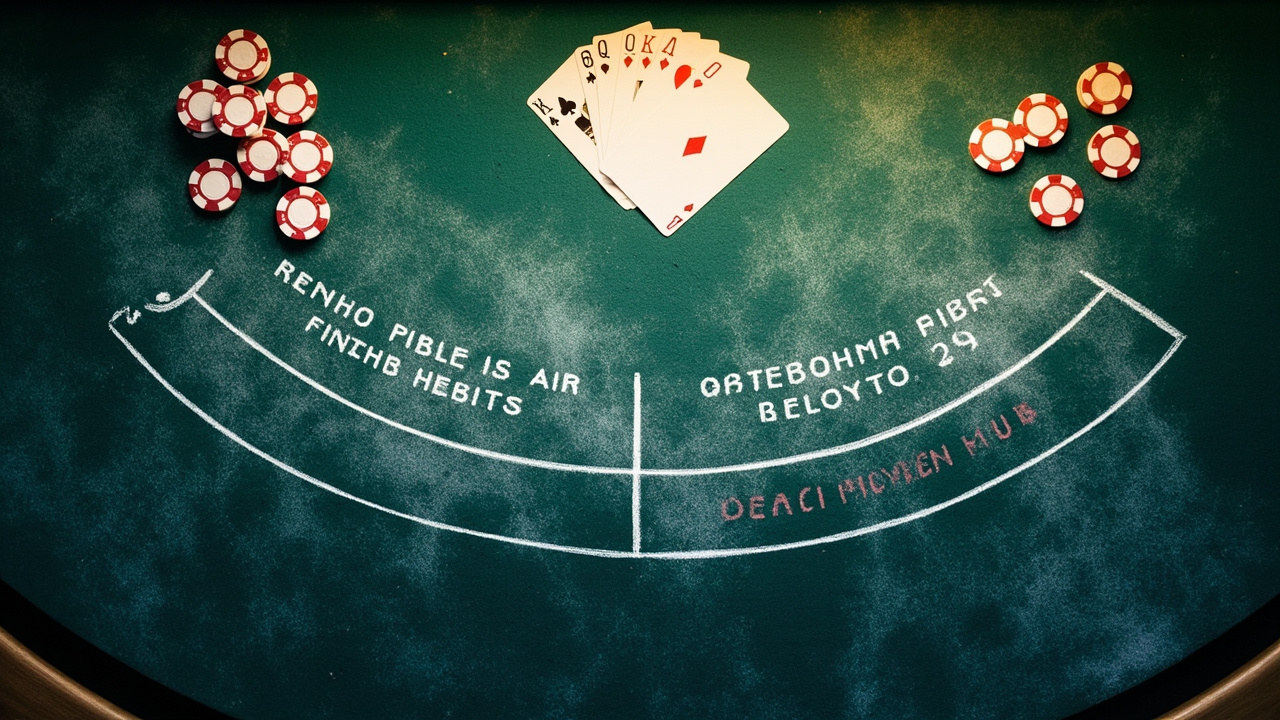
If you are weighing how to bet on baccarat with a clear head, the answer is straightforward: favour Banker or Player, keep your stakes within a bankroll you can afford, and choose a table and operator that show their rules, limits, and support openly. The game rewards discipline more than cleverness, and the players who stick to that approach tend to finish their sessions in better shape than the ones chasing big Tie payouts.

- Banker bet: wagering on the Banker hand to win, usually carrying the lowest house edge but subject to a commission on wins.
- Player bet: wagering on the Player hand to win, with a slightly higher edge than Banker but no commission.
- Tie bet: wagering on both hands finishing with the same total, offering a higher payout but a much larger house edge.
- Commission: the percentage taken from winning Banker bets, commonly 5 per cent, which affects your effective return. https://legacy-of-dead-slot-au.com
- Bankroll: the amount you set aside for a session or period of play, used to set stake sizes and loss limits.